April 12, 2024
Court expands Fifth Amendment protections
$16,000+ permit fees trigger Fifth Amendment takings claims
📜Constitutional Law🎓Education
April 12, 2024
$16,000+ permit fees trigger Fifth Amendment takings claims
 James Madison pushed the Fifth Amendment in 1789 to stop the federal government from seizing property and forcing testimony after Revolutionary-era abuses.
Joseph Story wrote United States v. Perez in 1824 allowing retrial after a hung jury and limiting double jeopardy protections early on.
Marginalized communities and homeowners fought eminent domain and compelled testimony through the 20th century and often met resistance from state officials and development interests.
The Supreme Court expanded government takings in Kelo v. City of New London on Jun. 23, 2005, allowing condemnations for private economic development.
The pattern repeats: public outrage forces narrowings, then new doctrines open gaps, most recently tested by Nollan, Dolan and the Court’s Apr. 2024 takings decisions including Sheetz and DeVillier.
In 2024 homeowners pressed claims in Sheetz v. County of El Dorado on Apr. 12, 2024 and DeVillier won a cause-of-action ruling on Apr. 16, 2024 while McElrath clarified double jeopardy on Feb. 21, 2024.
Today governments, utilities and private developers extract value through fees and exactions while homeowners, renters and small-business owners carry legal bills and risk losing property or income.
The next fights include double jeopardy sentencing questions and a wave of local exaction suits and subpoenas being litigated through 2025 and beyond.
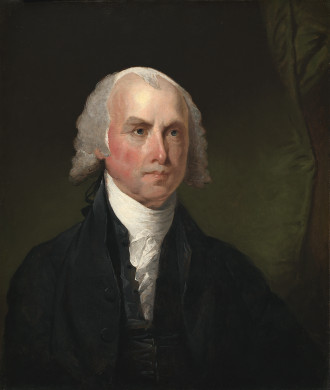
Framer and member of the First Congress
Associate Justice, U.S. Supreme Court
Homeowner and plaintiff
Associate Justice, U.S. Supreme Court
Petitioner
Plaintiff
Petitioner
Associate Justice, U.S. Supreme Court
Associate Justice, U.S. Supreme Court
Former Justice Department prosecutor