June 18, 2025
Supreme Court limits EPA oversight
Oklahoma v. EPA moves Clean Air Act challenges to regional courts
📜Constitutional Law🏛️Government🏙️Local Issues
June 18, 2025
Oklahoma v. EPA moves Clean Air Act challenges to regional courts
The Tenth Amendment reserves powers not delegated to the federal government to the states or the people
The Supremacy Clause in Article VI makes federal law supreme over conflicting state law
The Commerce Clause gives Congress power to regulate interstate commerce, expanded dramatically since the New Deal
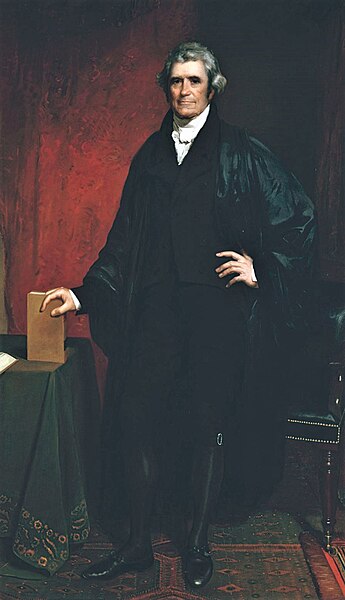
Chief Justice  John Marshall established federal supremacy in McCulloch v. Maryland (1819)
States cannot nullify or refuse to enforce valid federal statutes under constitutional law
Federal preemption doctrine determines when federal law displaces state law in specific areas
Anti-commandeering doctrine prevents federal government from forcing states to implement federal programs