March 17, 2025
FBI diverts 934 agents from national security to redact Epstein files


Counterterrorism agents work 12-hour shifts redacting files instead of tracking threats
⚖️Justice🏛️Government🔐Ethics🛡️National Security
March 17, 2025
Counterterrorism agents work 12-hour shifts redacting files instead of tracking threats
AG  Pam Bondi ordered the FBI to mobilize 934 agents for the "Epstein Transparency Project 2025" starting the week of March 17, 2025. The agents worked a combined 14,278 premium pay hours in just six days, costing taxpayers $851,344 in overtime. The project came after Bondi's Feb. 27 "Phase 1" release embarrassed the administration because it mostly contained previously leaked documents.
The FBI's New York field office, the bureau's largest, bore the heaviest burden. Agents who normally investigate counterintelligence threats from China, counterterrorism leads from Iran, public corruption cases, international drug trafficking, and financial crimes were ordered to set aside those investigations. For roughly two weeks, many of these agents did nothing but sit at computer banks and redact documents.
Agents worked 12-hour overnight shifts at three locations: FBI headquarters in Washington, the New York field office, and a secure FBI facility in Chantilly, Virginia. Between January and July 2025, FBI personnel logged 4,737 total overtime hours on the Epstein files. More than 70% of those hours fell in March alone, when the political pressure to produce documents peaked.
Bondi sent a letter to FBI Director  Kash Patel on Feb. 27, 2025, after learning that the New York field office had been sitting on thousands of undisclosed pages related to the Epstein investigation. She demanded the FBI deliver the full and complete files to her office by 8 AM on Feb. 28. The letter revealed that the DOJ had initially received only about 200 pages from the FBI.
Bloomberg investigative reporter Jason Leopold filed a FOIA lawsuit that forced the FBI to release dozens of internal emails about the redaction process. The emails described a chaotic, "frenzied" effort internally called both the "Epstein Transparency Project" and the "Special Redaction Project." The FBI withheld 161 pages of additional emails, citing ongoing investigative matters.
On March 17, 2025, FBI personnel sent emails seeking guidance on how to handle redactions of images featuring "former US Presidents and Secretary of States and other celebrities." Bloomberg later reported in August 2025 that the FBI's FOIA team had redacted Trump's name from documents, claiming he was a private citizen when the 2006 Epstein investigation began. Sen. Durbin's office received a whistleblower disclosure saying agents were instructed to "flag" records mentioning Trump.
The Epstein Files Transparency Act passed the House 427-1 on Nov. 18, 2025, with only Rep. Clay Higgins (R-LA) voting no
The Senate passed it by unanimous consent the next day, and Trump signed it into law on Nov. 19
The act requires the attorney general to make all Epstein prosecution files publicly available within 30 days The DOJ missed that deadline, releasing the first batch on Dec. 19, 2025.
As of early 2026, the DOJ had released over 3.5 million pages of Epstein-related files but faced continued criticism from both parties. A watchdog complaint in February 2026 alleged the DOJ withheld communications from AG Bondi, Deputy AG Todd Blanche, and FBI Director Patel. Attorneys for more than 200 alleged victims asked federal judges to order the DOJ to take down its Epstein Files website, calling the release 'the single most egregious violation of victim privacy in one day in United States history.'

U.S. Attorney General
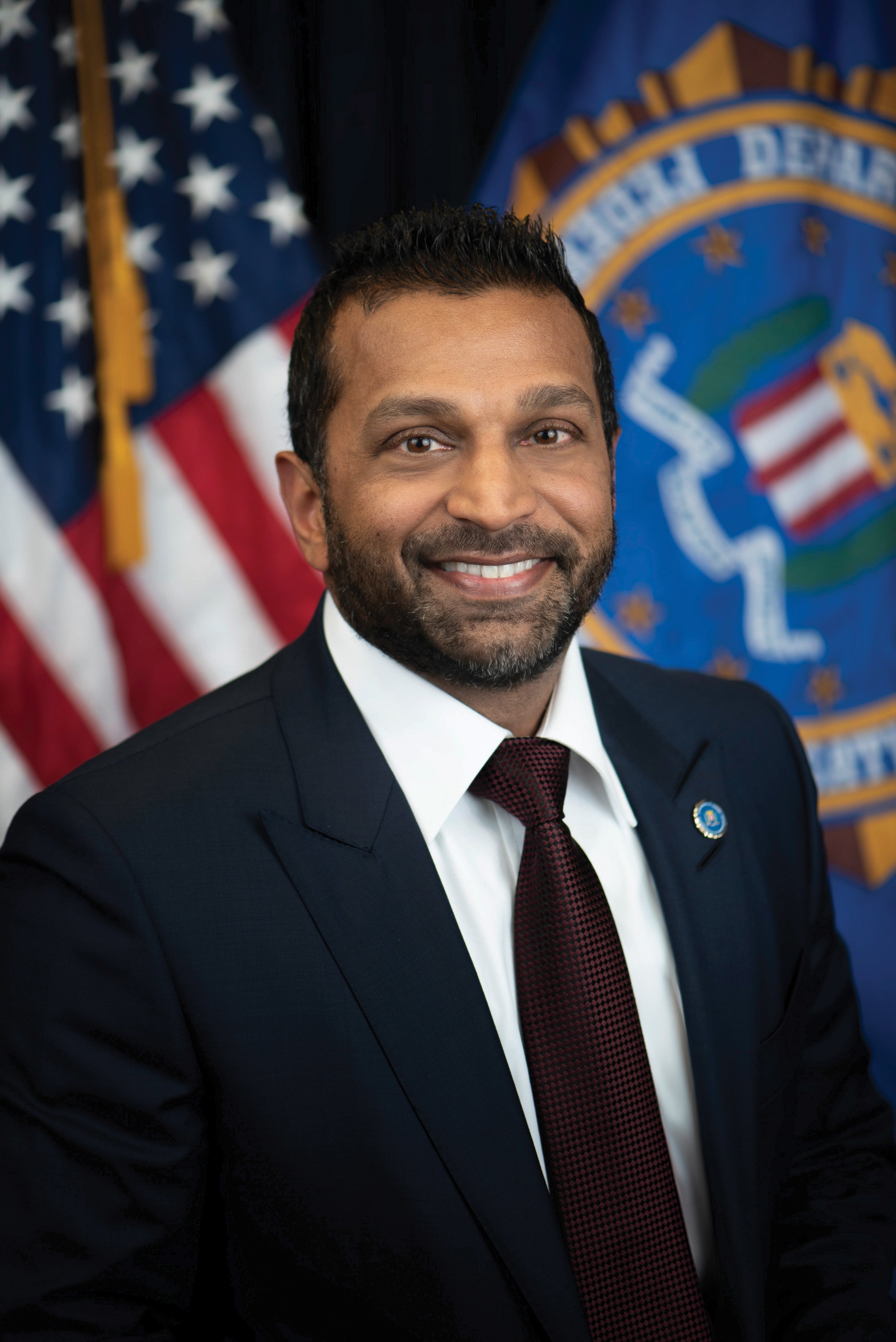
FBI Director
Bloomberg Senior Investigative Reporter
U.S. Senator (D-IL), Ranking Member of Senate Judiciary Committee

U.S. Representative (D-NY)

U.S. Representative (R-KY)
civic action
Contact your senators to support the Inspector General audit of Epstein file releases
The FBI diverted 934 agents from national security work and spent nearly $1 million on overtime to redact Epstein files. The DOJ is withholding 47,635 files including Trump-related allegations, violating the Epstein Files Transparency Act which required release by December 19, 2026. An Inspector General audit is needed to determine if redactions served transparency or protected powerful people. The DOJ admitted 99% of files remain unreleased, raising serious questions about executive branch compliance with federal law.
Hi, I am calling to ask Senator [NAME] to support the ongoing Inspector General audit of the DOJ and FBI's handling of the Epstein files. The FBI diverted 934 agents from national security work and spent $1 million on redacting files. The DOJ missed the legal deadline and is still withholding 47,635 files. I want to know whether the redaction process served transparency or protected powerful people. Can you tell me the Senator's position on the audit?
oversight tracking
Track the DOJ Inspector General audit results
Bipartisan senators requested an audit of the DOJ's compliance with the Epstein Files Transparency Act. The IG's office can investigate whether files were tampered with, whether redactions were legally justified, and whether communications from senior officials were improperly withheld.
I am writing to request information about the status of the Inspector General audit into the DOJ and FBI's handling of the Epstein files, as requested by Senators Durbin, Schiff, and others. When can the public expect findings?
information access
Read the released Epstein files directly
The DOJ has released over 3.5 million pages of Epstein-related files on a public website. Citizens can review the actual documents rather than relying on media summaries. This is how accountability works: public access to government records.