February 5, 2026
EPA enforcement drops 87% to record low of 16 actions, letting polluters avoid consequences
Zeldin cuts enforcement 87% while losing half of DOJ's environmental lawyers
🏛️Government⚖️Justice
February 5, 2026
Zeldin cuts enforcement 87% while losing half of DOJ's environmental lawyers
The Environmental Integrity Project (EIP), a nonprofit watchdog founded by former EPA attorneys, released a report on Feb. 5, 2026 showing the EPA filed only 16 civil judicial complaints in 2025. EIP compiled this data by examining federal court filings, not relying on EPA self-reporting. It's the fewest enforcement actions on record for any administration.
The 16 actions represent an 87% drop from Obama's second term first year (123 cases), 76% from Biden's first year (67 cases), and 81% from Trump's own 2017 first year (86 cases). The decline isn't partisan—Trump's second term enforcement fell dramatically below his own first-term record.
The EPA cannot sue polluters directly. It investigates violations and refers cases to the Department of Justice's Environment and Natural Resources Division (ENRD), which files the actual lawsuits. When either agency lacks capacity, the enforcement pipeline breaks.
At least 140 of the ~400 attorneys in DOJ's environment division left in 2025 (35% of the division). The Environmental Defense Section lost 30 of 60 lawyers (50%), Environmental Enforcement Section lost 54 attorneys, and Environmental Crimes Section lost 13 lawyers (35%). These departures removed 260+ years of institutional knowledge.
Administrative penalties also fell to $41 million through September 2025. Adjusted for inflation, that's $8 million less than the same period under Biden and $5 million less than Trump's first term. Lower penalties mean reduced deterrent effect for polluters.
EPA Administrator Lee Zeldin, a former Republican congressman from New York's 1st district (2015-2023) and Army Reserve Lieutenant Colonel, was sworn in Jan. 29, 2025. On March 12, 2025, he announced 31 deregulatory actions targeting greenhouse gas regulations, the 2009 endangerment finding, Mercury Air Toxics Standards for coal plants, and vehicle emissions rules.
Zeldin's March 12, 2025 enforcement priorities memo made it difficult for EPA staff to pursue violations at industrial operations associated with energy production, fossil fuel power generation, or facilities affecting historically marginalized communities. The memo shifted enforcement away from environmental justice priorities.
In July 2025, the EPA announced plans to close its Office of Research and Development and pursue a 65% budget cut. Fewer staff means fewer inspections, fewer violation referrals, and fewer cases prepared for DOJ—creating a compound effect on enforcement capacity.
EPA press secretary Brigit Hirsch called EIP's report "erroneous" and said the agency focuses on "swift compliance" rather than "overzealous enforcement intended to cripple industry based on climate zealotry." She claimed EPA would publish data showing it "concluded more cases" than Biden's last year.
EIP executive director Jen Duggan noted there's a critical difference between concluding existing cases (settling lawsuits already filed, often by prior administrations) and initiating new enforcement actions. A high number of concluded cases with record-low new filings means the enforcement pipeline is being wound down, not built up.
Environmental laws only deter pollution when companies face real enforcement risk. When the EPA filed 123 cases per year (Obama era), polluters knew violations could trigger lawsuits. With only 16 cases filed in 2025, the odds of facing legal consequences dropped to record lows, reducing the economic incentive to comply with clean air and water standards.
EPA Administrator (sworn Jan. 29, 2025)
Executive Director, Environmental Integrity Project
EPA Press Secretary
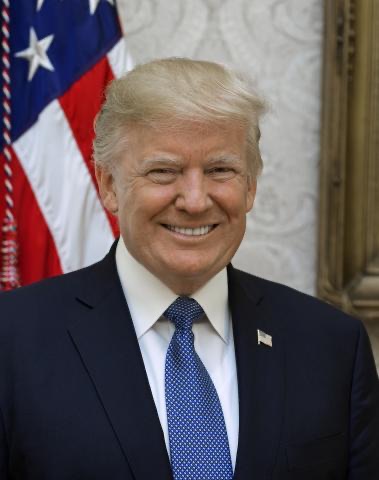
President of the United States
Federal attorneys who file environmental lawsuits
Beneficiaries of reduced enforcement
civic action
Report environmental violations to your state environmental agency
When the federal EPA scales back enforcement, state agencies become the primary enforcers of environmental law. Most states have their own environmental departments that can investigate and penalize polluters independently of the EPA.
civic action
Contact your representative about EPA enforcement funding
Congress controls the EPA's budget through the appropriations process. Lawmakers can increase or decrease enforcement funding regardless of the administration's priorities.
Hi, my name is [NAME] and I live in [CITY, STATE]. I'm calling about EPA enforcement of environmental laws. A new report shows the EPA took only 16 legal actions against polluters in 2025, an 87% drop from previous administrations. I'm asking [Senator/Representative NAME] to [support/oppose] increased funding for EPA enforcement in the next budget. Can you tell me the [Senator/Representative]'s position on EPA enforcement funding?
awareness
Read the full Environmental Integrity Project report
EIP's report includes detailed comparisons across administrations and breakdowns by type of enforcement action. It's a primary source for understanding exactly how enforcement has changed.
awareness
Track EPA enforcement data yourself using Environmental Integrity Project reports
EIP maintains public databases tracking EPA enforcement actions over time, including comparisons across administrations. Their reports analyze court filings, penalties, and enforcement trends to hold agencies accountable.
civic action
File citizen suit under Clean Air Act or Clean Water Act
When EPA won't enforce pollution violations, the Clean Air Act (Section 304) and Clean Water Act (Section 505) allow citizens to sue polluters directly in federal court after giving 60 days' notice to EPA, the state, and the polluter. Requires evidence of ongoing violations.