April 14, 2026
DOJ moves to erase Jan 6 seditious conspiracy convictions

Pirro signs motion to erase 12 seditious conspiracy convictions
⚖️Justice📜Constitutional Law🏛️Government✊Civil Rights📚Historical Precedent
April 14, 2026
Pirro signs motion to erase 12 seditious conspiracy convictions
On April 14, 2026, the Department of Justice filed motions with the DC Circuit Court of Appeals asking judges to vacate the seditious conspiracy convictions of 12 Capitol rioters. The filing, signed by Assistant U.S. Attorney Daniel Lenerz in U.S. Attorney Jeanine Pirro's office, said prosecution "is not in the interests of justice." The motion cited 28 U.S.C. § 2106 and Federal Rule of Criminal Procedure 48(a) as legal authority. Pirro became U.S. Attorney for DC after Senate confirmation on August 2, 2025, by a 50-45 vote. She previously worked as a Fox News host and served as Westchester County District Attorney. Juries convicted these defendants after lengthy trials with extensive evidence of advance planning and weapons stockpiling.
Seditious conspiracy under 18 U.S.C. § 2384 is a Civil War-era statute making it illegal for two or more people to agree to oppose the government by force. It carries a maximum 20-year sentence. Before January 6, prosecutors had brought only four seditious conspiracy indictments in 30 years. The most recent was the Hutarete militia case in 2010, where a judge dismissed the charges for insufficient evidence. The statute requires agreement to use force against the government, not just protest or civil disobedience. The rarity of prosecutions before 2021 made the aggressive use after January 6 historically unprecedented in scale.
UC Davis Law Professor Carlton Larson called the charge "perfectly pitched to the gravity of the offenses." Evidence showed Oath Keepers stockpiled guns in a Virginia hotel for "quick reaction force" teams, coordinated movements via encrypted communications, and planned to stop the peaceful transfer of power. This wasn't spontaneous, he argued, but premeditated conspiracy. Judge Amit Mehta imposed a on Rhodes's sentence, calling seditious conspiracy "among the most serious crimes an individual American can commit."
The 12 defendants include eight Oath Keepers members and four Proud Boys members.  Stewart Rhodes, the and Yale Law School graduate, received 18 years.
  Enrique Tarrio, the Proud Boys chairman, received 22 years but was pardoned on January 20, 2025. Other defendants include Kelly Meggs (12 years), Ethan Nordean (18 years), Joseph Biggs (17 years), and Zachary Rehl (15 years). Sentences ranged from 10 to 22 years, reflecting judges' views of the severity. Several sued the government in 2025 seeking over $100 million in damages for alleged DOJ abuse.
Vacatur with prejudice permanently erases convictions and prevents retrial. Once the DC Circuit grants the motion, these convictions will be treated as if they never happened. Gun rights restore. The defendants can't be charged again on these counts. This differs from Trump's January 20, 2025 commutations, which reduced sentences but left convictions intact. Vacatur goes further—it eliminates the legal finding that these individuals conspired against the government. Federal Rule of Criminal Procedure 48(a) gives prosecutors broad discretion to seek dismissal, but courts retain approval authority in practice.
Greg Rosen, former chief of DOJ's Capitol Siege Section, resigned in June 2025 protesting Trump's clemency actions. He called the vacatur motion proof that "political violence is acceptable as long as your politics align." Rosen noted the Biden DOJ achieved a rate in jury trials—meaning jurors repeatedly found evidence sufficient beyond reasonable doubt. Over 140 police officers were injured on January 6. The reversal raised concerns about whether jury verdicts could be permanent or whether politics could undo them.
Judge Amit Mehta and Judge Timothy Kelly both expressed concern about rewriting January 6 history before the April 2026 motion. Mehta warned against attempts to "rewrite" the Capitol attack narrative. Kelly noted the "importance of the peaceful transfer of power" at Tarrio's sentencing. Both judges' statements contrasted sharply with the DOJ's position that prosecution wasn't in the "interests of justice." Their initial sentencing language reflected that the conduct met the statutory definition of seditious conspiracy.
Prosecutorial discretion shapes the entire justice system because most cases never reach trial. U.S. Attorneys decide whom to charge, what crimes to file, and whether to dismiss. When prosecutors seek dismissal, courts rarely interfere. The Senate confirms U.S. Attorneys, but senators can't reverse individual prosecutorial decisions. The check comes through confirmation hearings, funding control, and DOJ oversight. In the January 6 context, the shift from aggressive prosecution to vacatur raises questions about whether political change—not legal merit—drove the reversal.
This case tests whether convictions remain permanent. If prosecutions can be undone years later based on administrations' changing priorities rather than new evidence of innocence, does that make convictions less reliable? If jury verdicts can be vacated through prosecutorial motion rather than appeal or new evidence, what protection does a trial offer? The DOJ doesn't claim juries were wrong or evidence didn't support verdicts. Instead, it asserts prosecutorial discretion to say convictions aren't worth maintaining. This power—invisible when prosecutors win—becomes visible when they reverse course.
U.S. Attorney for the District of Columbia
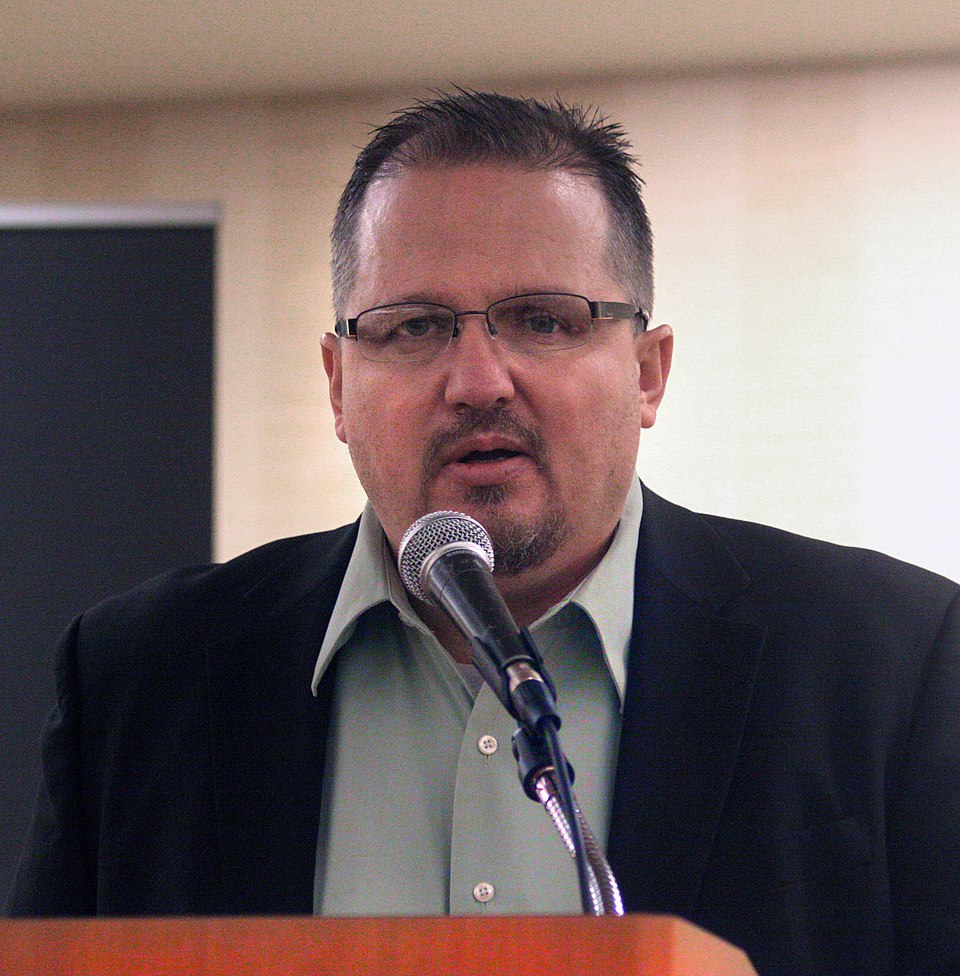
Oath Keepers founder
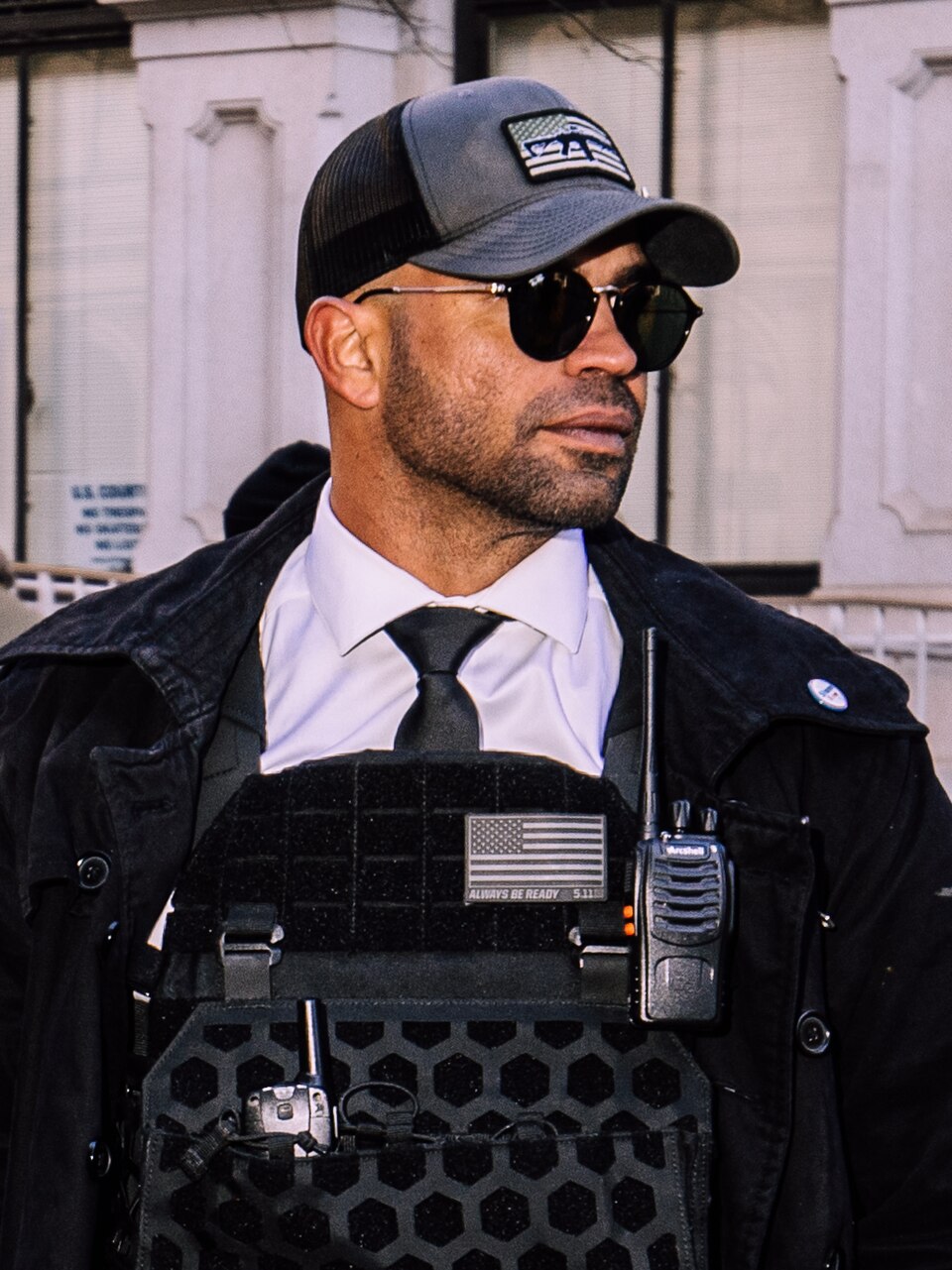
Proud Boys chairman
Oath Keepers member
Proud Boys leader
U.S. District Judge
U.S. District Judge
Former chief of DOJ Capitol Siege Section
Proud Boys member
Proud Boys member
Senate Minority Leader
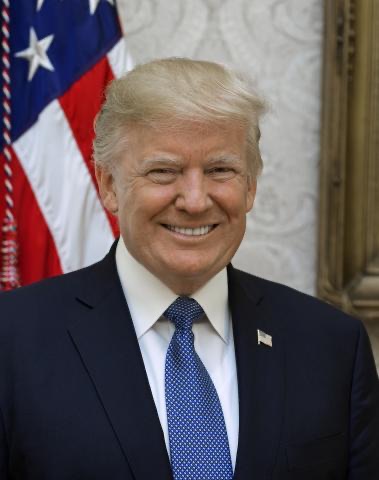
President of the United States
Oath Keepers member
Oath Keepers member
civic action
Contact your senators about DOJ prosecutorial independence
The Senate confirms the U.S. Attorney who signed these motions. Senators can hold oversight hearings on whether DOJ's decision to vacate jury-convicted seditious conspiracy cases reflects legitimate prosecutorial discretion or political interference.
Hello, I am [NAME], a constituent from [CITY/STATE]. I am calling about the DOJ's motion to vacate seditious conspiracy convictions for January 6 defendants.
Key concerns:
Specific request: I am asking Senator [NAME] to support Senate Judiciary Committee oversight hearings on DOJ's decision to vacate jury-convicted seditious conspiracy cases.
Question: What is the Senator's position on DOJ reversing convictions won by its own prosecutors?
Thank you for your time.
research
Read the DOJ court filings and judge sentencing statements
The actual court filings show the DOJ's legal reasoning and the judges' original sentencing statements. Comparing what Judge Mehta said at sentencing with what DOJ now says reveals how prosecutorial priorities shifted between administrations.
research
Track the DC Circuit's response to the vacatur motions
The DC Circuit must approve the vacatur. While courts rarely block prosecutorial dismissals, judges have expressed concern about rewriting January 6 history. Watch for any judicial pushback or conditions attached to the vacatur.