March 4, 2026
DOJ removes 47,635 Epstein files including Trump-related FBI records
Removed records include FBI files on Trump as DOJ disables bulk download
⚖️Justice🔐Ethics📰Media Literacy
March 4, 2026
Removed records include FBI files on Trump as DOJ disables bulk download
"The Trump administration passed the Epstein Files Transparency Act in November 2025, a bipartisan bill co-sponsored by Rep. Ro Khanna (D-CA) and Rep.  Thomas Massie (R-KY) that compelled the DOJ to release millions of documents tied to Jeffrey Epstein. The DOJ released over three million pages on January 30, 2026. NPR investigative team found evidence of missing files by comparing FBI serial numbers, discovery document logs from Ghislaine Maxwell trial, and document metadata. They identified that dozens of FBI interview summaries with women who accused Epstein of abuse, including four interviews with one woman who also accused Trump, were either never uploaded or had been temporarily removed after initial publication."
"By early March 2026, CBS News completed independent database analysis showing 47,635 files, roughly 65,500 pages, had been taken offline. The DOJ claimed files were pulled to protect victim identities and avoid interfering with ongoing investigations. Rep. Robert Garcia (D-CA) and colleagues who reviewed unredacted files at DOJ reading room disputed this explanation, saying withheld files included documents that did not meet statute exemptions and that redaction pattern appeared to protect powerful men rather than survivors. Khanna spent two hours in DOJ reading room and read six names on House floor, including Emirati businessman Sultan Ahmed bin Sulayem, who had been redacted in public database but clearly identified in unredacted files."
"The three sets of FBI interview memos most conspicuously absent from database all involved women who made allegations against Trump. DOJ eventually released sixteen additional pages on March 5, three more FBI interview summaries from 2019, after NPR reporting made the gap public. These interviews described a South Carolina woman who alleged Epstein introduced her to Trump when she was between 13 and 15 years old, and who described an assault. FBI agents interviewed her four times. Only first interview, which did not mention Trump, had been in original public database. DOJ said files had been incorrectly coded and were released as soon as error was discovered."
"The accountability structure around files has circular logic: DOJ is both agency prosecuting Epstein-related matters and agency managing database. Attorney general serves at Trump pleasure.  Todd Blanche, deputy attorney general overseeing file release, previously served as Trump personal defense attorney in federal criminal cases. No additional prosecutions of Epstein associates have been announced. Half the files remain unreleased. Congress can request to view unredacted files in person but cannot force public release above what statute requires. Khanna told TIME he believed lawsuit in Southern District of New York was most viable path to forcing full compliance."
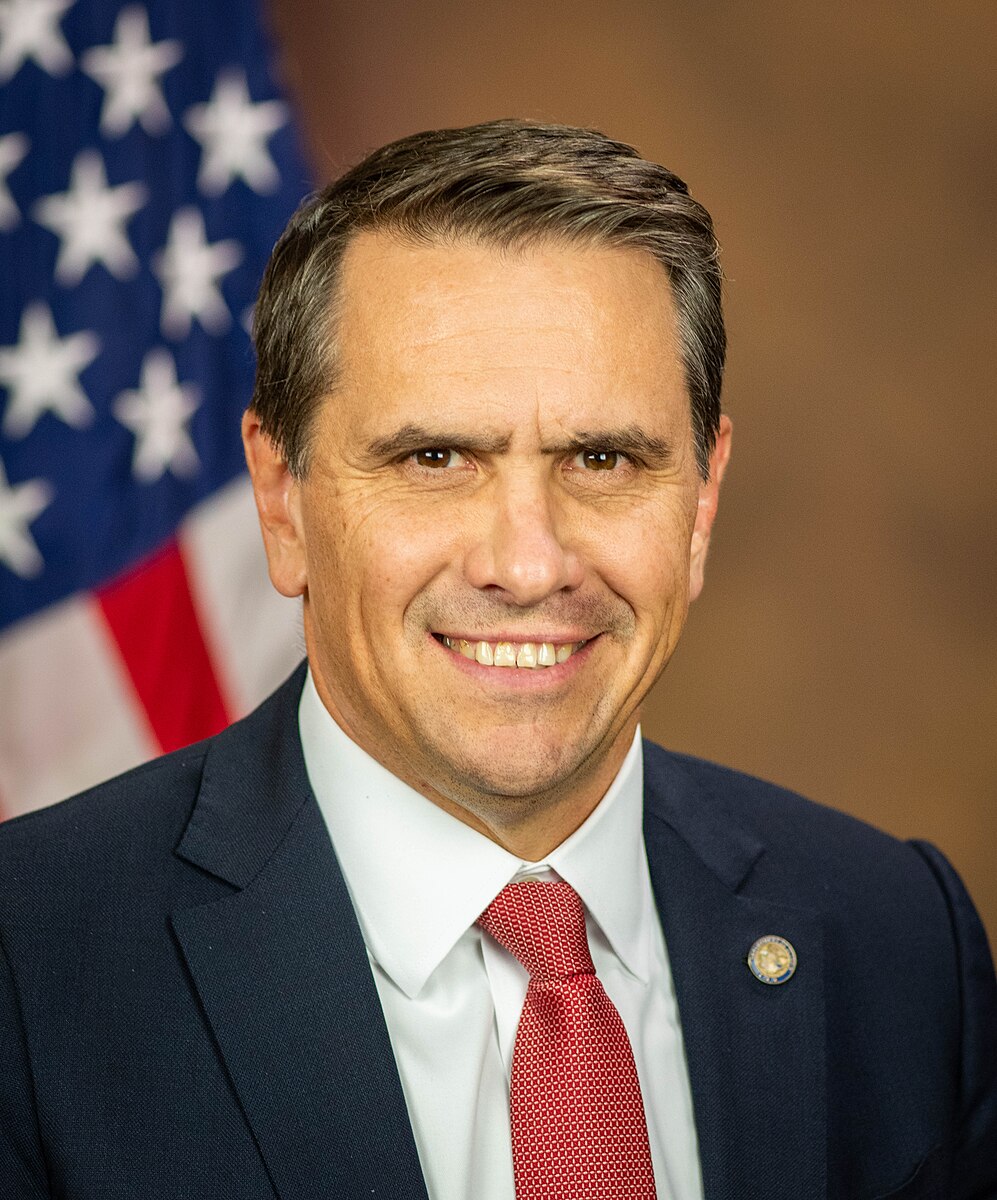
U.S. Deputy Attorney General; former personal defense attorney for Donald Trump
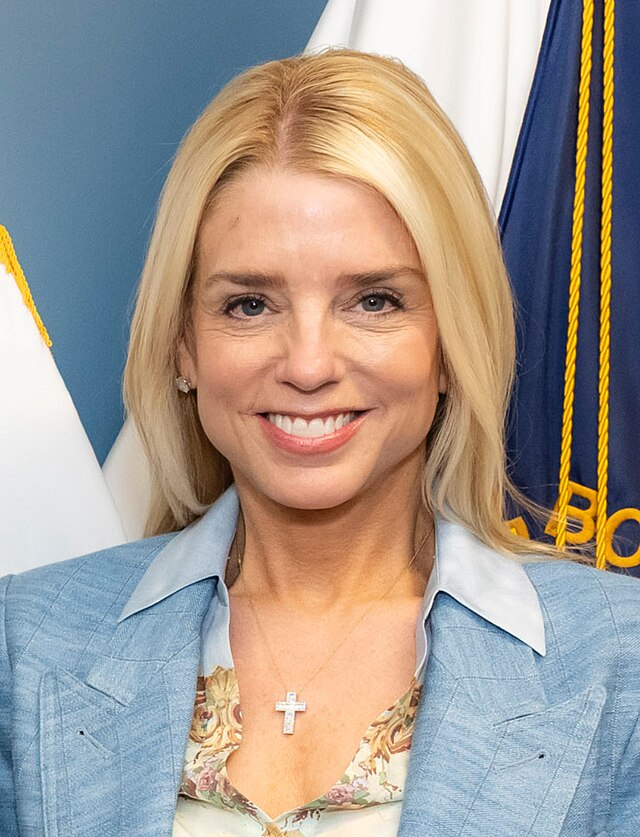
U.S. Attorney General
U.S. Representative (D-CA), co-author of Epstein Files Transparency Act

U.S. Representative (R-KY), co-author of Epstein Files Transparency Act
U.S. Representative (D-CA), Ranking Member, House Oversight Committee
Investigative journalists; first to document specific Trump-related removals
Investigative journalists; quantified full scale of removals
U.S. Secretary of the Navy; appeared on Epstein flight manifests
Epstein and Trump accuser; FBI interview subject, 2019
Emirati businessman; one of six men Khanna identified as redacted from public files
Spokesperson, House Oversight Committee Democrats
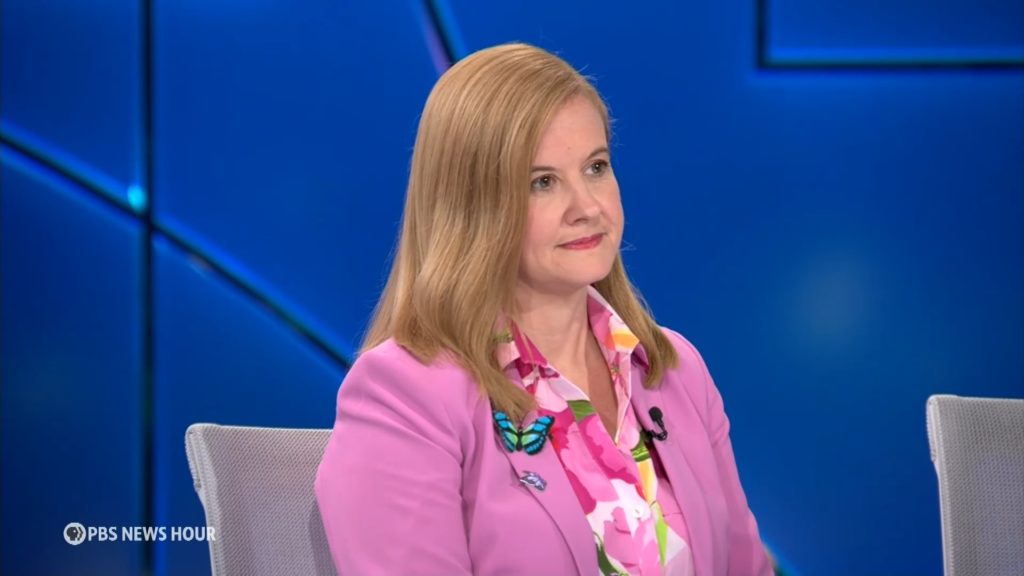
First known Epstein abuse victim to report to FBI (1996)
research
File a FOIA request for removed Epstein database records
The Freedom of Information Act gives the public the right to request records from federal agencies, including records that have been removed from public databases. Filing FOIA requests creates a public record of what the government claims it can't release and why.
civic action
Contact your representative to demand DOJ compliance with the Epstein Transparency Act
Congress passed the Epstein Files Transparency Act to force full disclosure. If the DOJ is removing files in violation of that law, Congress has oversight tools — including subpoenas and hearings — to investigate. Constituents can demand their representatives use them.
Hello, I am [NAME], a constituent from [CITY/STATE]. I'm calling about the DOJ's removal of nearly 48,000 files from the legally mandated Epstein database.
Key concerns:
Questions to ask:
Specific request: I am asking Representative [NAME] to publicly demand the DOJ restore all removed files and provide a complete log of what was removed and why.
Question: Does Representative [NAME] believe the DOJ is in compliance with the Epstein Files Transparency Act?
Thank you.
legal resource
Read the American Oversight FOIA tracker for Epstein records
American Oversight files FOIA requests and tracks government records. Its Epstein-related FOIA work shows which files have been sought, what the government claims is exempt, and how the DOJ's accountability record compares to what Congress required.