April 6, 2026
Jamie Dimon warned that an Iran war could trap the Federal Reserve in a stagflation spiral


JPMorgan raised its recession odds to 40% after the Iran strike, the highest level in a decade
💰Economy🌍Foreign Policy🏛️Government⚡Energy
April 6, 2026
JPMorgan raised its recession odds to 40% after the Iran strike, the highest level in a decade
Jamie Dimon released JPMorgan Chase's annual shareholder letter on , naming the Iran war as the single largest threat to the U.S. economy and calling it the , a persistent inflationary force that markets hadn't fully priced in. JPMorgan Chase is the largest bank in the United States by assets, managing roughly $3.9 trillion. When Dimon writes about economic risk, institutional investors, pension fund managers, and federal regulators treat it as a significant signal.
Dimon argued that the Iran war's effect on energy markets could force the Federal Reserve to keep interest rates "higher for longer" or resume raising them, even if the broader economy was slowing. He identified this as the core danger: the Fed would face a choice between fighting inflation and preventing recession, with no viable option available.
As of April 2026, . Moody's Analytics estimated 48.6%. Goldman Sachs placed it between 30 and 45%. EY Parthenon estimated 40%. Wilmington Trust estimated 45%. Each figure represents the independent modeling of economists who advise major investors and government officials.
The S&P 500 had fallen from when the Iran war began in late February. Oil prices briefly touched $114 per barrel for U.S. West Texas Intermediate on April 5. IEA Executive Director Fatih Birol that April would be "much worse than March" for global energy markets.
Stagflation describes a condition where inflation is high while economic growth stagnates or turns negative. The two conditions normally offset each other, recessions reduce demand and tend to lower prices. Stagflation breaks that pattern. A supply shock, like a war that closes a major oil shipping lane, raises costs throughout the entire economy while also reducing output. .
Dimon argued in his letter that some economic scenarios would produce a standard recession (lowering inflation through reduced demand), while others would produce stagflation (where inflationary forces overwhelm the deflationary pull of the recession). He called the second scenario the more dangerous outcome.
The Federal Reserve's primary tool for fighting inflation is raising interest rates, which increases the cost of borrowing and cools spending. But higher rates also slow business investment and consumer spending, which deepens recessions. In a stagflationary environment, the Fed faces a trap: raising rates fights inflation but hurts workers who lose jobs. Keeping rates low supports the economy but allows inflation to embed and become self-reinforcing.
Dimon's letter called Federal Reserve independence essential to navigating this environment. An independent Fed can raise rates even when a sitting president is publicly demanding lower ones, because governors serve fixed 14-year terms and can't be fired for their rate decisions. If that independence is compromised, Dimon argued, inflation expectations rise because markets stop believing the Fed will act without political permission.
In a , Dimon warned that the DOJ's investigation of Fed Chair  Jerome Powell risked undermining Fed credibility. He stated: "Everyone we know believes in Fed independence. And anything that chips away at that is probably not a great idea. And in my view, will have the reverse consequences. It'll raise inflation expectations and probably increase rates over time."
Trump nominated  Kevin Warsh to in March 2026, with a confirmation hearing scheduled for April 16 before the Senate Banking Committee. Sen. Thom Tillis placed a pending the DOJ investigation. Markets read the combination of the DOJ investigation and the Warsh nomination as a signal that Trump wanted a Fed chair more responsive to political pressure.
Before the 1972 presidential election, President Nixon pressured Fed Chair Arthur Burns to keep interest rates low despite rising inflation, according to . Burns complied. Economists Burton Abrams and Allan Meltzer documented the pressure campaign in the . Loose monetary policy in 1971-1972 contributed to the inflation crisis that afflicted the U.S. economy throughout the 1970s.
The lesson economists draw from the Nixon-Burns episode — and the reason was reinforced afterward — is that political accommodation of rate decisions produces short-term gains but long-term economic damage that ordinary Americans pay through higher prices and job losses.
In March 2026, Allianz chief economic advisor Mohamed El-Erian that a protracted Iran war could produce stagflation for the global economy. Former Treasury Secretary  Janet Yellen that the Iran conflict puts the Fed "even more on hold, more reluctant to cut rates." In April 2026, Cleveland Fed President Beth Hammack that inflation was "flashing orange or worse" and a rate hike could become necessary if inflation stays stubbornly high.
Dimon's letter is a civic document as much as a corporate one. JPMorgan Chase manages deposits for tens of millions of American households, processes roughly $10 trillion in transactions per day, and advises the Treasury Department and foreign governments on debt markets. Congress has the power to authorize or end the Iran war, which Dimon identified as the core driver of stagflation risk. Congress also holds the power to confirm or reject the new Fed chair, which will determine whether the Fed operates independently through the inflationary period. Both decisions directly connect the war's economic consequences to democratic accountability.
Chairman and CEO, JPMorgan Chase
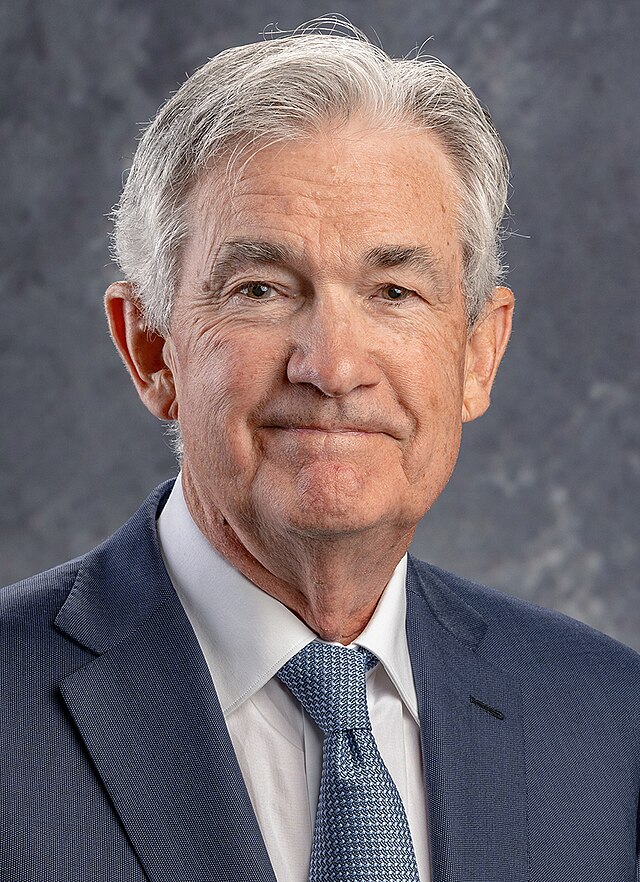
Chair, Federal Reserve Board of Governors
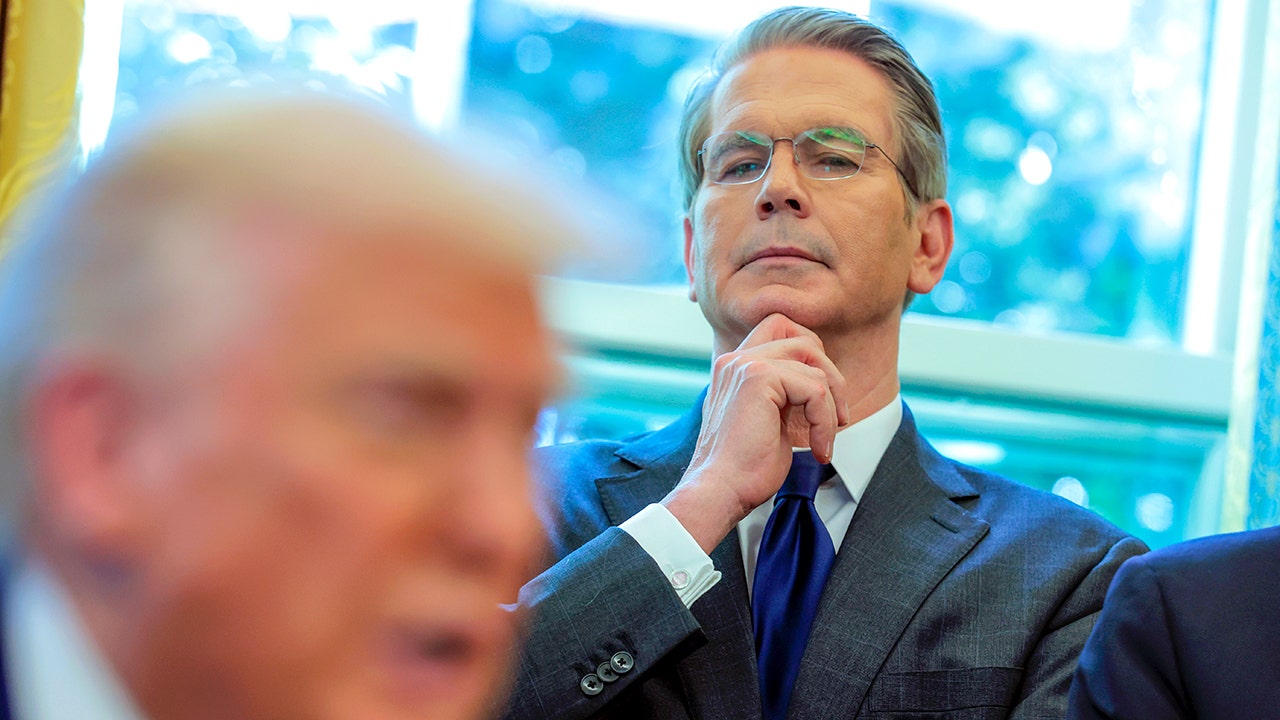
Nominee, Federal Reserve Chair
Executive Director, International Energy Agency
Chair, Federal Reserve Board of Governors, 1970-1978
37th President of the United States, 1969-1974
U.S. Senator, North Carolina (Republican)
Chair, Federal Reserve Board of Governors, 1979-1987
Chief Economic Advisor, Allianz
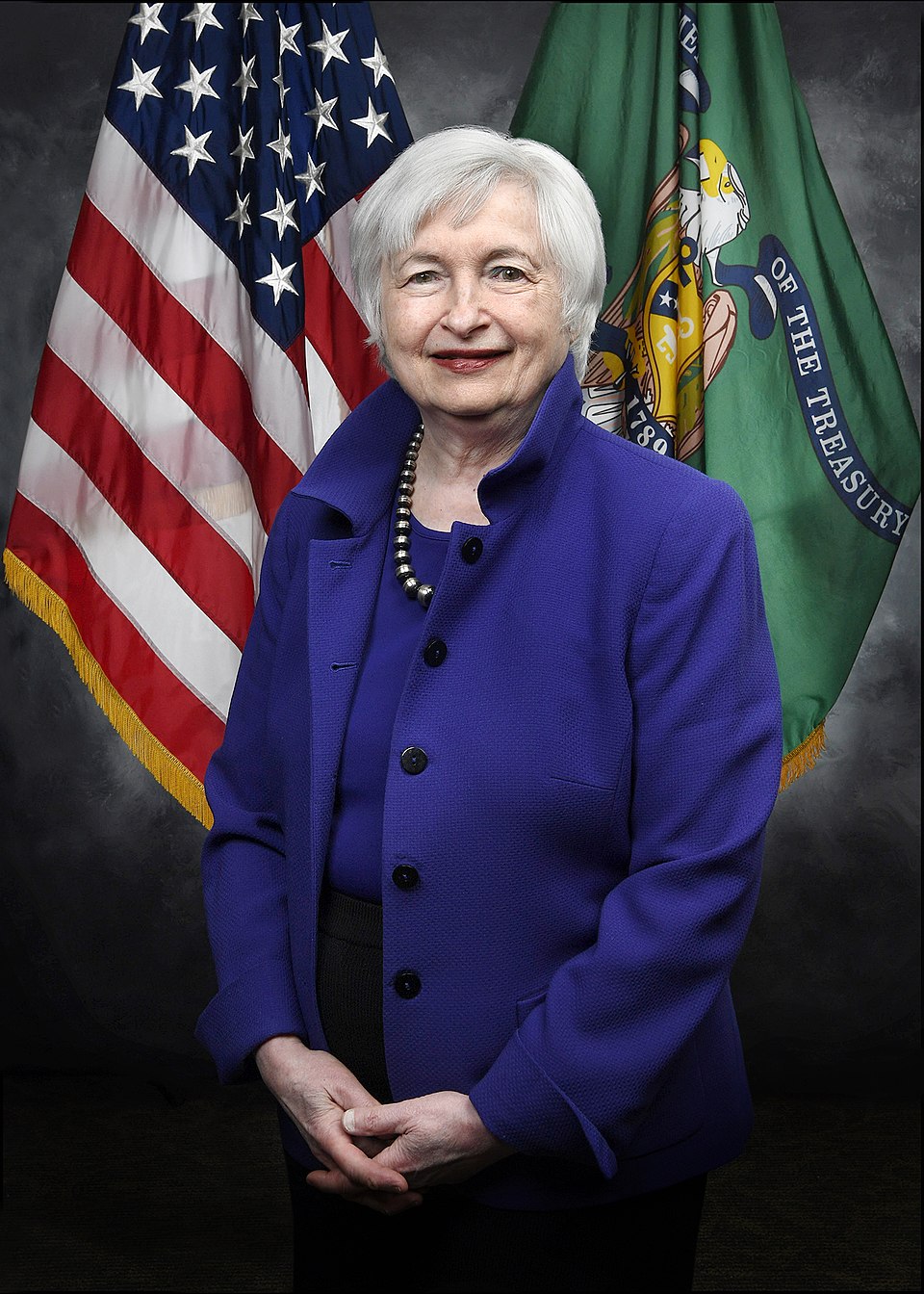
Former U.S. Treasury Secretary, former Fed Chair
President, Cleveland Federal Reserve Bank
Former U.S. Treasury Secretary, economist
President, Minneapolis Federal Reserve Bank
legislative contact
Contact the Senate Banking Committee about the Warsh confirmation hearing
The Senate Banking Committee scheduled Kevin Warsh's confirmation hearing for April 16. Senators on this committee will decide whether the next Fed chair can operate independently from White House pressure. Citizens can contact their senators to ask specific questions about Fed independence.
Hello, my name is [name] and I am a constituent from [city, state]. I'm calling about the Kevin Warsh Federal Reserve confirmation hearing scheduled for April 16. I want my senator to ask Mr. Warsh directly whether he would raise interest rates against the president's wishes if inflation required it. Fed independence is what separates our monetary policy from politically driven decisions that historically cause inflation.
direct disclosure
Track the Fed's rate decisions against inflation and recession data
The Federal Reserve posts its interest rate decisions, meeting minutes, and economic projections on its website. Citizens can read these to understand how the Fed is balancing inflation risk against recession risk, and whether its decisions align with its stated economic reasoning or appear to respond to political pressure.
legislative contact
Demand that your congressional representatives vote on Iran war authorization
The War Powers Resolution 60-day clock expires around April 28. If Congress authorized the Iran war, it would become a legally defined conflict with budgeted costs. Without authorization, the war's economic costs are unplanned expenses layered onto existing deficit projections. Your representatives can vote on H.Con.Res.38, the war powers resolution already introduced.
Hello, I am calling about the Iran War Powers Resolution, H.Con.Res.38. The War Powers Resolution 60-day clock expires around April 28. I want my representative to vote on war authorization. An unbudgeted war is driving the stagflation risk that JPMorgan, Goldman Sachs, and Moody's are warning about. Congress needs to own this decision.