November 12, 2025
Burchett blames Democrats for blocking Epstein files after they forced the vote
Republican lawmaker blames Democrats for blocking files after they forced the vote he couldn't stop
🏛️Government🏢Legislative Process🔐Ethics
November 12, 2025
Republican lawmaker blames Democrats for blocking files after they forced the vote he couldn't stop
On Nov. 12, 2025, a House discharge petition reached 218 signatures and forced Speaker  Mike Johnson to schedule a floor vote on H.R. 4405, the Epstein Files Transparency Act. Democrats supplied 214 of the 218 required signatures. Republicans
  Thomas Massie (KY), Lauren Boebert (CO), Marjorie Taylor Greene (GA), and Nancy Mace (SC) provided the remaining four.
Rep.  Adelita Grijalva (D-AZ) added the 218th and final signature moments after being sworn into office on Nov. 12, 2025. She won a special election to fill the seat of her late father, Rep. Raul Grijalva. Her signature triggered the automatic calendar placement that required a floor vote within 7 legislative days.
Rep.  Tim Burchett (R-TN) asked for unanimous consent (UC) to immediately release the Epstein files during a House floor session on Nov. 12, 2025. Rep.
  Steve Womack (R-AR), a Republican who was presiding, declined the request under House Rules Section 956, which requires UC requests to be cleared by bipartisan floor and committee leadership before the chair can entertain them.
Burchett posted a video outside the Capitol after Womack's ruling, claiming Democrats had blocked his request and calling it '100 percent' political. His claim was procedurally false: a Republican presiding officer declined his request for failing to follow House rules. Democrats did not object and had no role in blocking it.
Trump and the White House worked behind the scenes to pressure House Republicans to pull their discharge petition signatures after Democrats circulated Epstein emails describing Trump spending time at Epstein's homes. Trump reversed course and posted on Truth Social supporting the Epstein files bill on Nov. 10, 2025.
Rep. Thomas Massie (R-KY) filed the original discharge petition in September 2025, working with Rep. Ro Khanna (D-CA) to build bipartisan support. The Massie-Khanna collaboration was the structural engine behind the petition — without that bipartisan cooperation, Democratic signatures alone could not have forced the vote.
The House voted 427-1 to pass the Epstein Files Transparency Act on Nov. 18, 2025. Rep. Clay Higgins (R-LA) cast the lone no vote. The near-unanimous result exposed that leadership opposition — not member opposition — had been the only obstacle to a vote all along.
The Senate passed the bill by unanimous consent on Nov. 19, 2025, meaning no senator objected to passage, and Trump signed it into law the same day. The law required the Justice Department to release all Epstein prosecution files within 30 days in searchable, downloadable format. The DOJ released the first batch on Dec. 19, 2025.

Republican Representative from Tennessee

Republican Representative from Arkansas, House presiding officer on Nov. 12, 2025

Democratic Representative from Arizona, 218th signer of the discharge petition

Republican Representative from Kentucky, discharge petition originator

Speaker of the House (Republican, Louisiana)
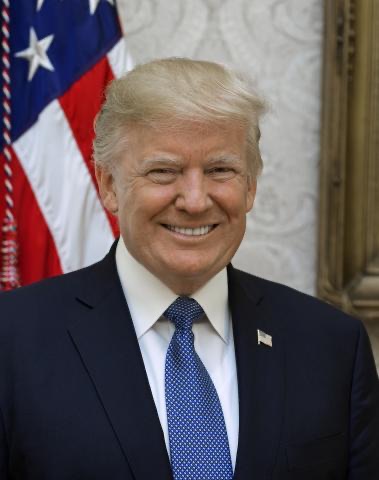
President of the United States