October 5, 2025
Judges block Guard quartering in Portland and Chicago
Federal judges block National Guard deployment to Portland and Chicago
📜Constitutional Law🎓Education
October 5, 2025
Federal judges block National Guard deployment to Portland and Chicago
 James Madison pushed an explicit ban on quartering after Anti-Federalists warned a standing army could be billeted in private homes.
The first major modern clash occurred when Governor Hugh Carey activated the Guard during a 1979 prison strike and tenant guards were evicted.
Engblom v. Carey, decided May 3, 1982, held that National Guardsmen are "soldiers" and that tenants can claim Third Amendment protection.
Courts then narrowed remedies: officials escaped damages through qualified immunity and Mitchell v. City of Henderson, Feb. 2, 2015, limited the scope by ruling municipal police are not "soldiers."
The same conflict appears across eras: colonial quartering fears, mid-20th century labor disputes, and today's militarized policing all ask who controls civilian space.
In 2025 the federal government moved to federalize Guard units for deployments to Portland and Chicago, prompting federal judges to issue temporary blocks.
The practical winners are federal officials and agencies that can shift troops and avoid damages; the losers are renters, protesters and disaster survivors whose homes can be commandeered.
The next legal battleground will test Title 10 federalization, state sovereignty and whether courts will treat hyper-militarized police as "soldiers."
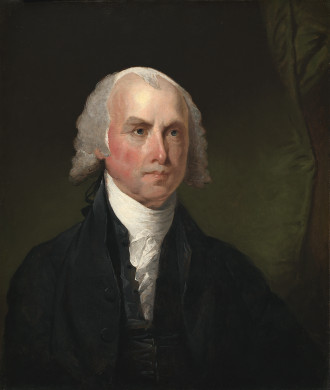
Framer and member of the First Congress
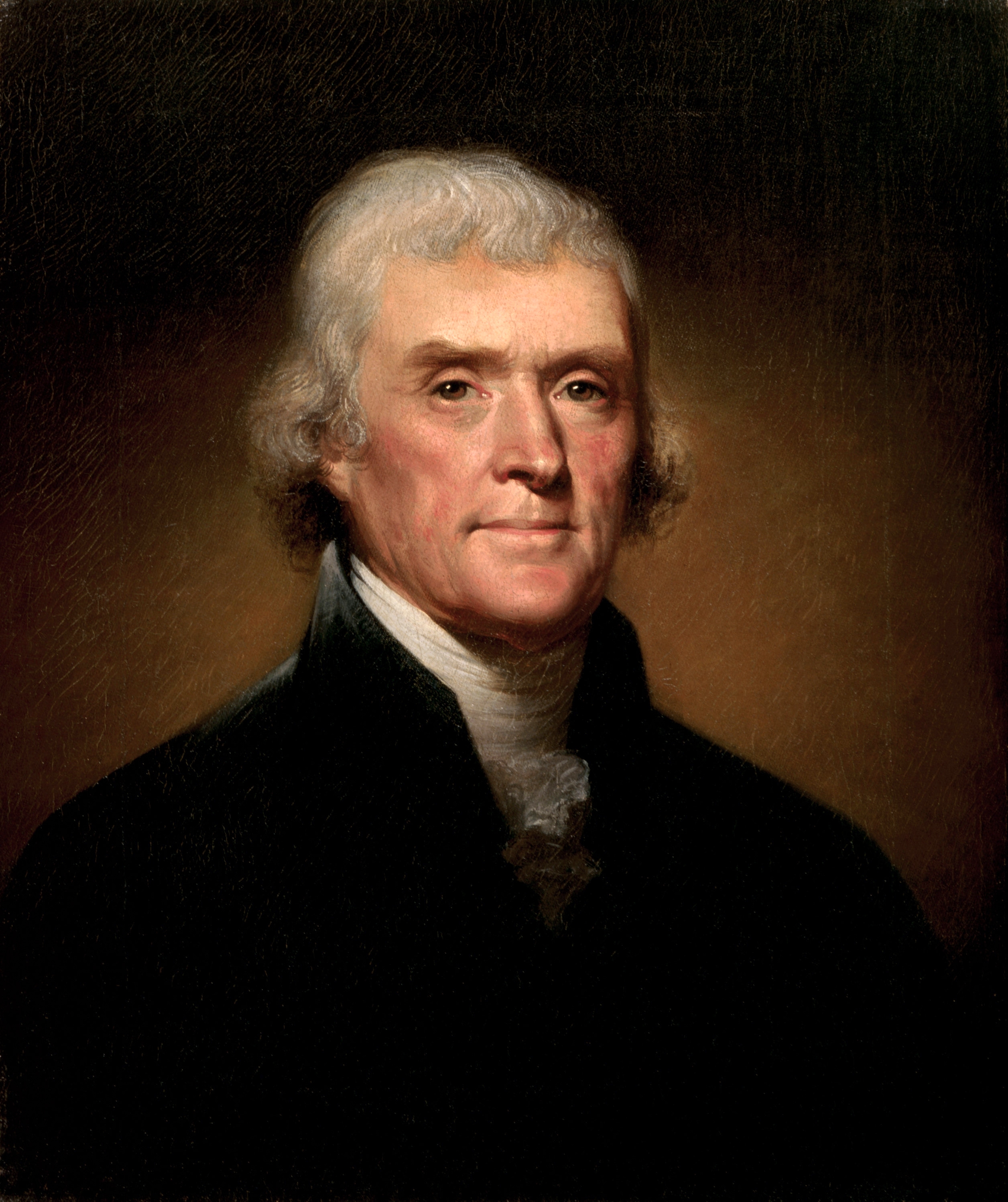
Secretary of State in 1792
Plaintiff
Plaintiff
Governor of New York (1975–1982)
Judge, U.S. Court of Appeals for the Second Circuit
Judge, U.S. Court of Appeals for the Second Circuit
U.S. District Judge, District of Nevada
U.S. District Judge (D. Or.)
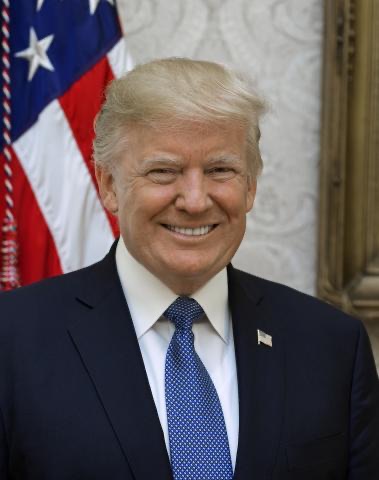
President of the United States (2021– )

Governor of Oregon