February 6, 2026
4th Circuit allows Trump's DEI executive orders to proceed
DEI program challengers must wait for enforcement to sue individually
📜Constitutional Law⚖️Justice
February 6, 2026
DEI program challengers must wait for enforcement to sue individually
The 4th U.S
Circuit Court of Appeals vacated a nationwide preliminary injunction on February 6, 2026, in National Association of Diversity Officers in Higher Education v
Trump (No. 25-1189) The three-judge panel — Chief Judge Albert Diaz, Judge Pamela Harris, and Judge Allison Jones Rushing — ruled that challengers cannot mount facial challenges to Trump's anti-DEI executive orders This allows Executive Order 14151 ("Ending Radical and Wasteful Government DEI Programs and Preferencing") and Executive Order 14173 ("Ending Illegal Discrimination and Restoring Merit-Based Opportunity") to take full effect while legal challenges continue.
Four plaintiffs challenged the orders: the National Association of Diversity Officers in Higher Education (NADOHE), the American Association of University Professors (AAUP), Restaurant Opportunities Centers United (ROC United), and the Mayor and City Council of Baltimore. Democracy Forward represented them. They sued on February 3, 2025, arguing the orders were unconstitutionally vague and violated First Amendment free speech, Fifth Amendment due process, and the Spending Clause.
U.S. District Judge Adam Abelson of the District of Maryland granted a preliminary injunction on February 21, 2025, blocking three key provisions: a requirement that agencies terminate "equity-related grants or contracts" within 60 days, a contractor certification requirement, and restrictions on DEI-related enforcement actions. Abelson found the orders invited "arbitrary power" through vague language.
Chief Judge Diaz wrote the panel opinion holding that Trump's orders are instructions to federal agencies, not direct commands to the plaintiffs. Because the orders only indirectly require compliance from grant recipients and contractors, challengers cannot bring facial challenges attacking the orders as unconstitutional in all applications. They must instead bring as-applied challenges after agencies take specific enforcement actions against them.
Despite ruling against the challengers, Chief Judge Diaz wrote a separate concurrence saying he reached his conclusion "reluctantly." He cited evidence of "important programs terminated by keyword" and "valuable grants gutted in the dark." Diaz, an Obama appointee, acknowledged the evidence suggested a "sinister story" but said the legal framework required this outcome
He wrote: "For those disappointed by the outcome, I say this: Follow the law
Continue your critical work Keep the faith."
Judge Pamela Harris wrote a separate concurrence agreeing with the result but disagreeing on part of the panel's standing analysis. Harris stated her "vote should not be understood as agreement with the EOs' attack on efforts to promote diversity, equity, and inclusion." She warned that agency enforcement actions exceeding the orders' facial limitations could raise serious First Amendment and due process concerns.
Trump signed EO 14151 on January 20, 2025, his first day in office, directing agencies to terminate DEI programs, equity-related grants, and environmental justice positions. He signed EO 14173 on January 21, 2025, requiring federal contractors to certify they do not operate DEI programs that violate federal anti-discrimination laws and ending affirmative action requirements for federal contractors.
The ruling creates asymmetric power dynamics
Executive orders take effect immediately upon signing
Challengers must wait for enforcement, then sue individually Even if one plaintiff wins an as-applied challenge, the order remains valid for everyone else Only a facial challenge — which courts make very difficult — would block the orders for all affected parties.
Chief Judge, 4th U.S. Circuit Court of Appeals (Obama appointee)
Circuit Judge, 4th U.S. Circuit Court of Appeals
Circuit Judge, 4th U.S. Circuit Court of Appeals (Trump appointee)
U.S. District Judge, District of Maryland (Biden appointee)
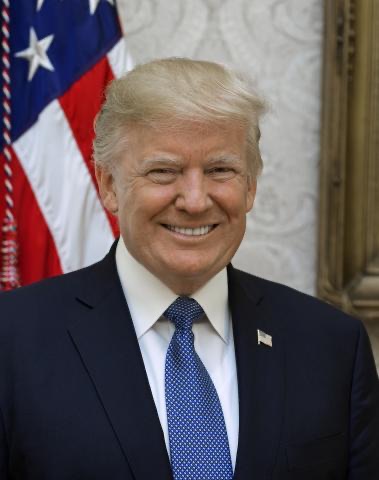
President of the United States
Legal advocacy organization representing the plaintiffs
legal resource
Monitor how agencies enforce DEI orders against your organization
The 4th Circuit's ruling means federal agencies can now enforce Trump's DEI restrictions on government contractors and grant recipients. If you work at a federal contractor, grant recipient, or university receiving federal funding, watch for specific enforcement actions. Document everything agencies do. If an agency withholds a grant or terminates a contract based on these orders, consult civil rights attorneys about filing an as-applied challenge.
We've experienced enforcement of Trump's DEI executive orders that we believe violates our constitutional rights. A federal agency threatened to withhold our grant funding unless we eliminate our diversity training programs. Can you help us evaluate whether we have grounds for an as-applied constitutional challenge?
civic engagement
Track the case for further legal developments
This ruling does not end the legal fight. The 4th Circuit explicitly reserved judgment on as-applied challenges to specific enforcement actions. Other lawsuits challenging these executive orders in other circuits may reach different conclusions. The Supreme Court could eventually take up the question. Follow NADOHE and Democracy Forward for updates on the litigation.